Key Differences Between Copper and Epoxy Bus Bar Coatings
Bus bars carry electrical current through equipment such as switchgear and power distribution systems. Their coatings can affect resistance to corrosion, wear, and unintended electrical contact. When comparing copper bus bar coating with epoxy bus bar coating, knowing the difference can help you discuss your project requirements with a coating provider. Copper is the conductive material of the bus bar, while epoxy is a type of coating that may be applied to it for insulation.
What Is Copper Bus Bar Coating?
A copper bus bar is a conductive component used to carry current within electrical equipment. Copper bus bar coating refers to applying a protective or functional coating to a copper surface. Depending on the application, a coating may help protect against environmental exposure and handling wear, provide insulation in selected areas, or support identification.
The coating should suit the component and its role in the electrical system. Details such as contact points, operating conditions, and performance requirements help determine the appropriate coating.
What Is Epoxy Bus Bar Coating?
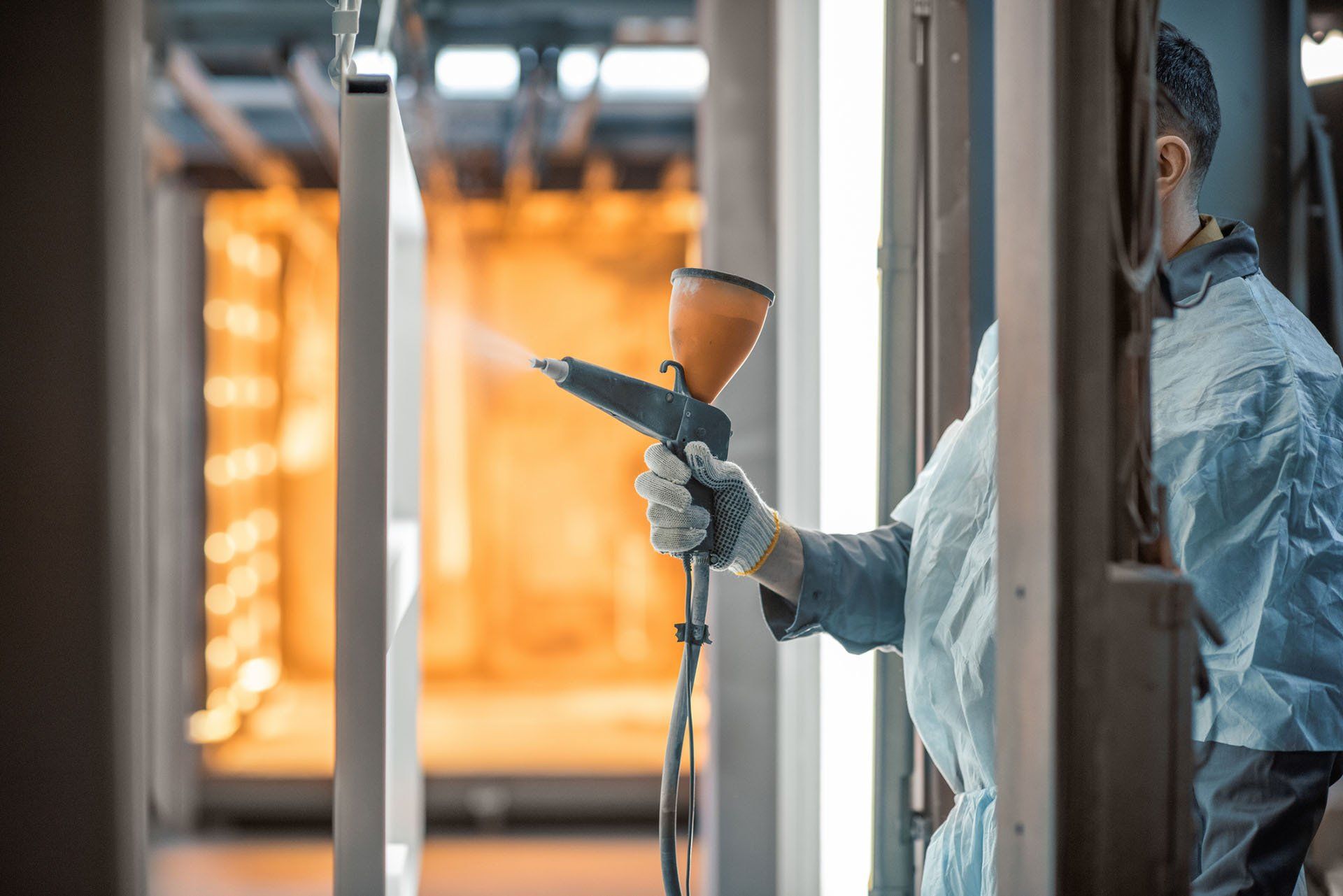
Epoxy powder coatings are used in bus bar applications where electrical insulation is needed. The coating may also provide a protective surface, but the required performance depends on the product, application process, and equipment specifications.
Because coated bus bars still need to make electrical connections at designated points, the coating plan should account for contact areas and component geometry. Confirm coating requirements against the system’s design and applicable specifications.
Copper and Epoxy Serve Different Roles
Copper and epoxy are not interchangeable coating materials. Copper forms the conductive bus bar, while epoxy may be applied as insulation or protection. In many projects, the question is whether and how to coat a copper bus bar, rather than whether to choose copper or epoxy as the bus bar material.
This distinction can help clarify what your project requires. Sharing drawings and application details with a coating provider can help determine whether the project calls for insulation, corrosion protection, another finish, or a combination of requirements.
How to Choose a Bus Bar Coating
Start with the bus bar’s function and the equipment it will serve. Consider the operating environment, the locations where electrical contact must remain available, and any requirements for insulation or surface protection. Then review those needs against the coating product’s specifications and the part’s design.
A coating provider can use your project details to discuss an appropriate process and finish. For custom or industrial powder coating projects, clear specifications help align coating coverage with the component’s intended use.
Bus Bar Coating in Navasota and Nearby Texas Communities
Texas Custom Coaters provides copper bus bar coating and epoxy bus bar coating services as part of its coating solutions. The company serves commercial and industrial customers in Navasota, Bryan, College Station, Brenham, Cypress, Katy, Conroe, Houston, The Woodlands, Tomball, Pasadena, Sugar Land, Spring, and Rosenberg, TX.
For a bus bar project,
contact Texas Custom Coaters' team to discuss a coating approach. The team also offers
custom powder coating and
industrial powder coating services for a range of projects.